

FV-AN-0017
Collection
Antiquities
Greek, Roman, Egyptian, Bronze Age and medieval material of documented ownership history.
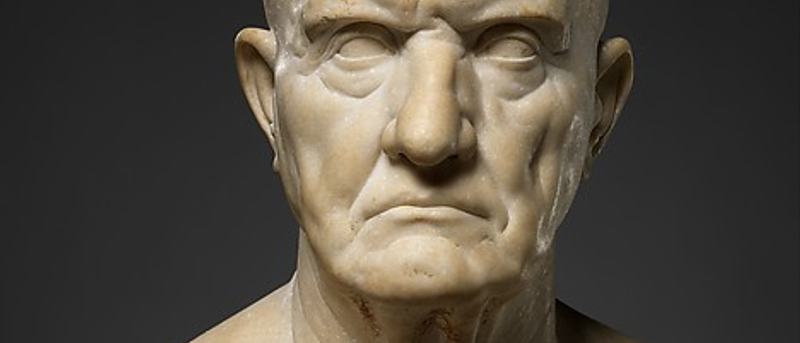
How we catalogue it
Objects are taken on only where ownership history can be evidenced and export requirements are clear. Where an object's documented history begins later than 1970, that is stated in the entry rather than implied away. Condition, restoration and surface are described as found.
Classical · Medieval · Early
Currently catalogued01
Buying in this department
What we look for
The documentary position comes before the object. We take on material only where ownership history can be evidenced, and the entry states the date at which the object can first be documented outside its country of origin. Where that date is later than a buyer might assume, we say so before an offer is made rather than afterwards.
Surface is the other thing we spend time on. Excavated bronze and iron carry a history of burial, cleaning and sometimes over-cleaning. Stripped, re-patinated and recut surfaces are identified in the entry.
The legal position
Buyers in the United Kingdom are operating within a framework that includes the Dealing in Cultural Objects (Offences) Act 2003, and a trade convention of treating 1970, the year of the UNESCO Convention on cultural property, as the reference date for ownership history.
We do not handle material we believe to have left its country of origin unlawfully, and we decline objects where the position cannot be established. This is a commercial judgement as much as an ethical one: an object with an unresolved question is hard to insure, lend, move across a border or sell again.
Worth asking
When does the documented history begin, and what evidence supports each step. Has the object been tested, and by which laboratory. Is an export licence likely to be needed, and what happens to the sale if it is refused.
A dealer should be able to answer each of these in writing before you commit, and should volunteer the difficult ones unprompted.
Further reading
- How we establish provenance and authenticity sets out what we check before an object is offered, and what we will not claim.
- Shipping and export covers packing, insurance, UK export licensing and import duties.
- Private acquisitions is the route when what you want is not in the catalogue.
- Consignment if you own something in this department and want it catalogued and placed, orsubmit an object for an initial view.
From the Journal02
From the archive01
FV-AN-0002