

Writing
The Journal.
Research notes on the objects we handle and the evidence around them. Sources are shown with each article so that the underlying record can be checked.
Published
Collecting
How to Build a Serious Private Collection
A working method for building a collection with coherence, documentation and enough patience to let the best objects come to you.
7 min

Space & Exploration
How Apollo Artefacts Enter Private Collections
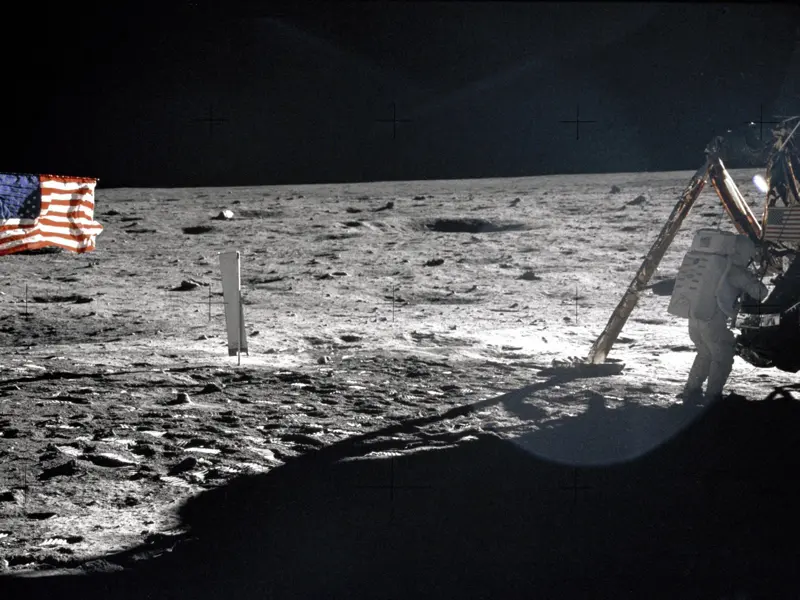
Apollo material can be privately owned, but the route into private hands matters. The strongest examples carry a chain of title that can be followed back to NASA, an astronaut, a contractor or another documented source.
9 min
Natural History
What Makes Meteorite Provenance Important?
A meteorite name and classification describe scientific identity. Provenance explains why the specimen in front of you can credibly be connected to that identity.
8 min

Antiquities
Buying Antiquities Legally in the United Kingdom
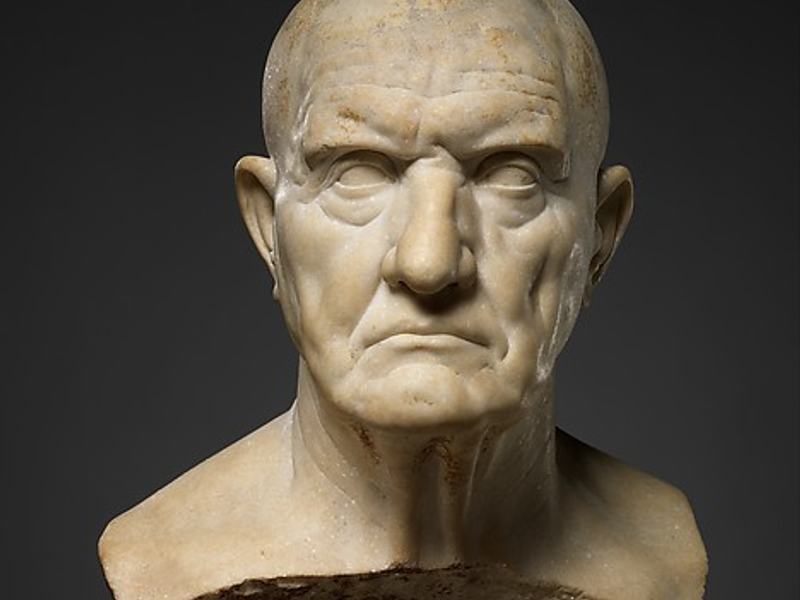
There is no single UK rule that makes every ancient object lawful or unlawful to own. A responsible purchase depends on title, excavation history, export history and the law that applies to the object's country of origin.
10 min
Timepieces
The British W.W.W. “Dirty Dozen” Watches
Twelve Swiss manufacturers supplied Britain's late-war W.W.W. service watch. The watches look simple, but originality, military markings and correct combinations of parts make the field much more exacting than it first appears.
9 min

Shipwreck & Maritime
How Shipwreck Artefacts Are Documented
A convincing shipwreck provenance should record where an object was recovered, under what authority, how title was resolved and what conservation happened after it left the sea.
9 min

Natural History
What Makes a Fossil Museum Quality?
“Museum quality” is a market description, not a scientific grade. The useful questions are how much original fossil is present, how it was prepared, what has been restored and how much geological information survives with it.
8 min

Antiquities
Understanding an Antiquities Provenance
Provenance is the modern biography of an antiquity. The useful version names people, collections, dates and documents, and makes clear where the record stops.
9 min

Natural History
How to Judge a Mineral Specimen
A mineral specimen is worth what its locality, its condition and its honesty make it worth. The useful questions are where it came from, what has been done to it, and how sure anyone can be about what it is.
7 min

Natural History
Selling an Inherited Fossil, Mineral or Meteorite Collection
An inherited natural history collection is often worth more than the family expects, and almost always worth more with its labels than without them. What to keep, what to check and what to ask before anything is sold.
8 min

Natural History
How to Spot a Fake or Composite Fossil
Fossil forgery is old, skilled and still common. Most fakes fall into a few kinds, from resin casts and assembled composites to painted detail, and each leaves signs a careful buyer can learn to look for.
8 min

Told first, before the catalogue.
Private Access carries advance notice of selected acquisitions and, occasionally, new writing. It is infrequent and it is not a newsletter.
Request private access